

UK Formalizes Digital Asset Law, Recognizes Crypto as Property

Key Takeaways
- The 2025 Property Act of the UK provides stable statutory clarity for digital asset ownership.
- The Act defines digital assets as personal property so that they can fall under the legal protection of general property law.
- Businesses and enterprises gain greater clarity, which could lead to future developments in crypto at the heart of the UK.
- The UK gains a great advantage in the race between nations for supremacy in the digital asset space.
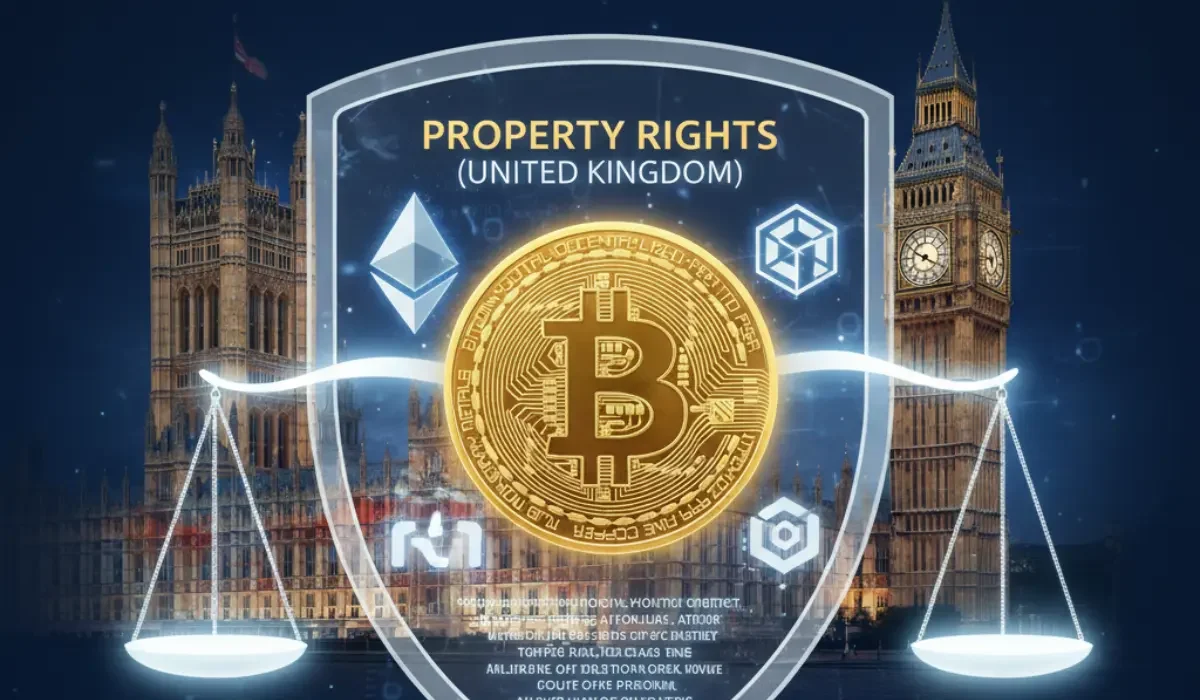
The latest law that has come into action is putting the UK at the forefront of global crypto regulations. The government has formally announced that, from now on, crypto assets will be recognised as property. This landmark move came after the country passed the Property Act of 2025.
With this act receiving the Royal assent on 3rd December, 2025, crypto in the UK is now considered property. With this legislative trump card, the UK has positioned itself as a favorable territory for the development of digital assets. This law is now providing the much-awaited clarity on crypto assets for investors, businesses, courts, and policymakers.
The Journey To The Digital Assets Act
This legislative journey began a year ago in 2024, when the government introduced the Property Bill to the parliament on 11th September 2024. The aim of this was clear: it was to modernize the property bill to match the use cases of the digital age.
This introduction was followed by months of intense legislative scrutiny. While this bill was being assessed in the parliament, there were simultaneous consultations with industry experts and legal analysts regarding the viability of the bill. After many of these proceedings, the Bill was presented to the House of Lords, which underwent its third reading on 8th May 2025.
This year, on 3rd December, the Bill received the Royal assent and became law, providing statutory recognition that digital assets are property. This has solidified the principle that courts and legal bodies had previously recognized only through case law.
The Importance of the Law
Before the establishment of this law, crypto enthusiasts and investors had a tough time navigating the complex legal landscape surrounding crypto assets in the UK. This had severe problems, especially when legal problems arose, as there were no solid laws in place to dictate what was right and wrong.
The lack of a solid legislative foundation further complicated matters, especially when it came to matters like theft, taxation, insolvency, contract disputes, and asset recovery. With this new act that defines digital assets as a defined category of personal property, much regulatory clarity has come forth. This will essentially help those who are interested in the crypto realm to operate without the fear of later regulatory bottlenecks.
Also Read: CNN Partners With Kalshi to Integrate Real-Time Prediction Market Data
Legal Support For Innovation and Investor Confidence
Earlier, the UK government had expressed its interest in becoming the global leader in the fintech sector and Web 3.0 ecosystem. This move looks like a calculated step towards achieving this goal.
By recognizing the digital assets as property, the UK government is sending a strong message to the world that the country is now fully open to becoming a digital asset hub without making any compromises on regulatory clarity. This is a welcome beacon for the institutional investors, industry leaders, and retail traders to place themselves amidst the UK’s growing digital asset ecosystem.
This law gives a clear legal standing for businesses that operate on digital assets like cryptocurrencies and NFTs. These businesses, which include exchanges, custodial services, and blockchain platforms, no longer need to worry about the regulatory mist that was slowing down the progress of digital asset innovation in the UK.
Disputes regarding stolen assets, illegally obtained assets, etc., can now be legally processed as they fall under the purview of the UK’s legal system. This level of legal clarity is essential for raising investor confidence. With the authority making a clear stand on where they are headed with the crypto assets policy, investors can now focus on digital asset infrastructure innovation and cross-border digital asset-based business models.
The UK’s Innovative Approach to Digital Assets
The UK’s law is significantly different compared to what other countries embody as regulatory oversight on crypto assets. Without specifically classifying crypto assets as a separate unit, the law is providing a more flexible playground for innovators who can build scalable systems that can fuel the future of digital assets through tokenized securities or unexplored blockchain technologies.
By putting less stress on legal classifications for crypto assets, the UK government has made a smart move. This allows the UK’s legal systems to flex according to the changing landscape of digital assets. This level of flexibility adds to the previously strengthened regulatory norms, making the digital asset environment within the UK a much-favored one for broader crypto enterprises looking to expand beyond the present constraints.
Conclusion
With the act formalizing the crypto asset space in the UK, many more regulatory frameworks can help build the ecosystem better. This vigorous start could serve as a great motivation for future developments in the crypto domain of the UK.
By modernizing the property law to include digital assets, the UK is definitely aiming at higher targets in the race between countries to become the leader of the global digital asset revolution. With even more complex innovations like RWAs waiting in line to make an entry, the UK’s position seems like the perfect spot that gives them a greater advantage over every other competitor.
Also Read: Bitcoin Eyes $100K as Analysts Downplay ‘Crypto Winter’; IBIT Emerges as Top U.S. ETF

Crypto & Blockchain Expert