

Crypto Theft: Indian Man Loses Over $130,000 to Crypto Investment Scam

Key Takeaways:
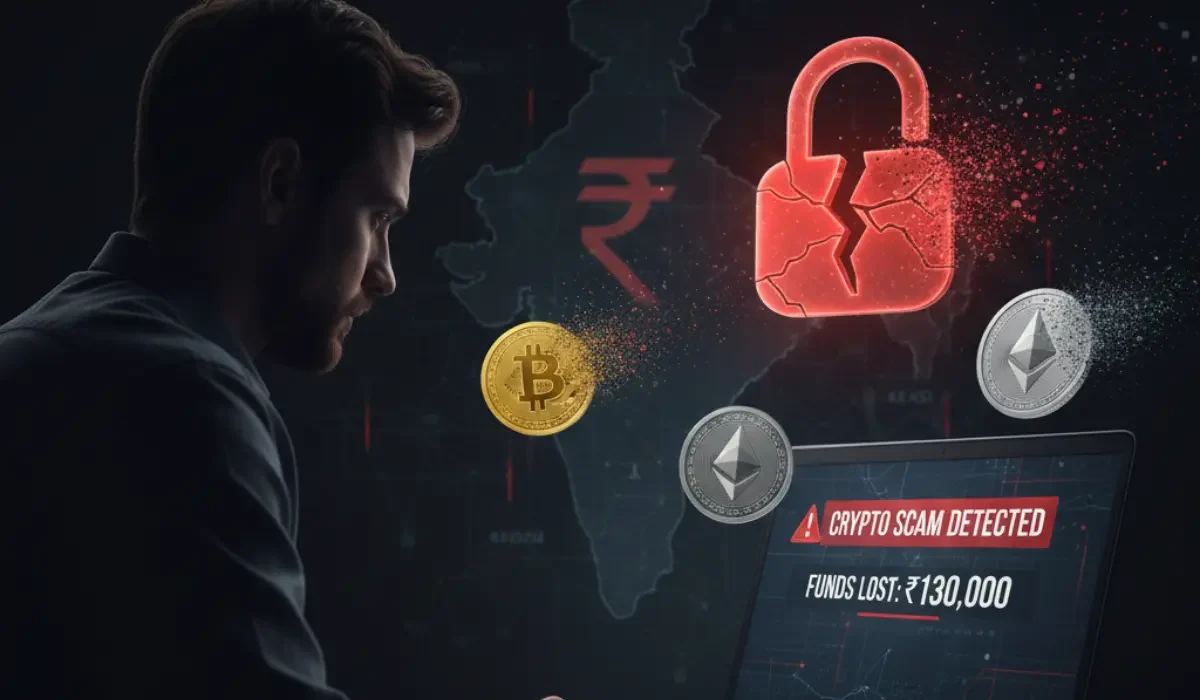
- A retired engineer in Hyderabad, India, has lost over $130,000 to a sophisticated crypto scam after depositing the amount into a fraudulent investment platform that was run via a WhatsApp group.
- He was a member of a group called the “531 DBS Stock Growth Wealth Group,” which was run by Rajat Verma and his associate Meena Bhatt. They asked members to download an app called DBS from a website.
- The scammers persuaded the man to deposit $1,000 into his account, promising him exclusive access to block rewards and high-value IPOs. To gain his trust, they allowed him to withdraw $50 in “profits”.
- The man then transferred larger amounts to their account, but when he attempted to withdraw his balance, he was asked to pay a 20% commission fee. After he refused to pay this charge, the platform froze his account. Realizing he had been scammed, the man approached the cybercrime division of the police.
A former public sector employee and engineer from India has fallen victim to a sophisticated cryptocurrency scam, which led to the 65-year-old individual losing approximately $130,000 in digital assets.
The scammers in question coordinated a counterfeit online trading scheme through a WhatsApp group and a fraudulent exchange platform.
Retired Indian Engineer Loses Over $130,000 After Investing the Money in a Fraudulent Platform Run via WhatsApp
According to a police complaint, the man was added to a WhatsApp group called “531 DBS Stock Growth Wealth Group,” where a man named Rajat Verma introduced himself as a professor and the group’s administrator, while another member, Meena Bhatt, claimed to be a market analyst.
The duo apparently convinced the victim to download and install a mobile application called “DBS” from the website “ggtkss.cc”. They promised the group members that through the app, they would get exclusive access to block deals and high-value initial public offering (IPO) allotments not available to regular investors.
The police report read that the victim was asked to deposit 1 lakh rupees ($1,109) into the platform and was allowed to withdraw 5,000 rupees ($55.46) to gain his trust. The small withdrawal served its purpose, as it convinced the victim that the platform was legitimate, which led to him depositing larger amounts at the request of the fraudsters.
Between November 4 and December 5, the victim made several transfers to his account on the DBS platform to subscribe to the Capital Small Finance Bank IPO and to cover a share buyback. The retired engineer transferred approximately $133,107 in Indian rupees through his several bank accounts and Unified Payments Interface (UPI) transactions.
However, problems started to emerge when the man attempted to withdraw his balance. The scammers said that he would have to pay a 20% commission fee before being allowed to redeem his profits. When he refused to pay this amount, the platform permanently froze his account.
Realizing that he had been duped, the man approached the Cyberabad Metropolitan Police – a jurisdiction that covers multiple IT parks and corporate centers in Hyderabad city – and filed a complaint. The cybercrime division of the police subsequently launched an investigation into the case registered under the provisions of the Information Technology Act of India.
Crypto-Related Cybercrimes on the rise in India, Law Enforcement Urges Investors to be Vigilant
Crypto-related cybercrimes are prevalent in the world’s most populous country, and have been on the rise since the start of the year.
Recently, an artificial intelligence scientist was defrauded in a similar crypto investment scam. The victim in question met a woman on a matrimony website, who then introduced him to an investment platform where he could make money from crypto. Over the next three months, the man transferred large amounts of Tether USD (USDT) across 14 transactions to the platform, which then proceeded to freeze his funds.
Investigators discovered that some of these transactions were made to an account registered under a person called Shankar Sahu, and over 13 lakh rupees (approximately $14,419) were funneled through an entity named RR Physiotherapy. The police say the remaining funds were converted into various digital assets and transferred to crypto wallets registered in the United Kingdom and Malaysia.
Cybersecurity experts advise investors to verify the credibility of the platforms they intend to use with regulatory agencies. Scam techniques with false credentials and promises of profits are becoming increasingly sophisticated and widespread in the country, and primarily target investors who lack the necessary awareness about crypto. Authorities are actively working to combat these schemes, and urged investors to be vigilant and watch out for signs that point to an investment being a Ponzi scheme.
Also Read: PEPE Price Prediction Today: Can the Meme Coin Rebound From Its Lows?

Crypto & Blockchain Expert