
Difference Between Coins and Tokens in Crypto Explained


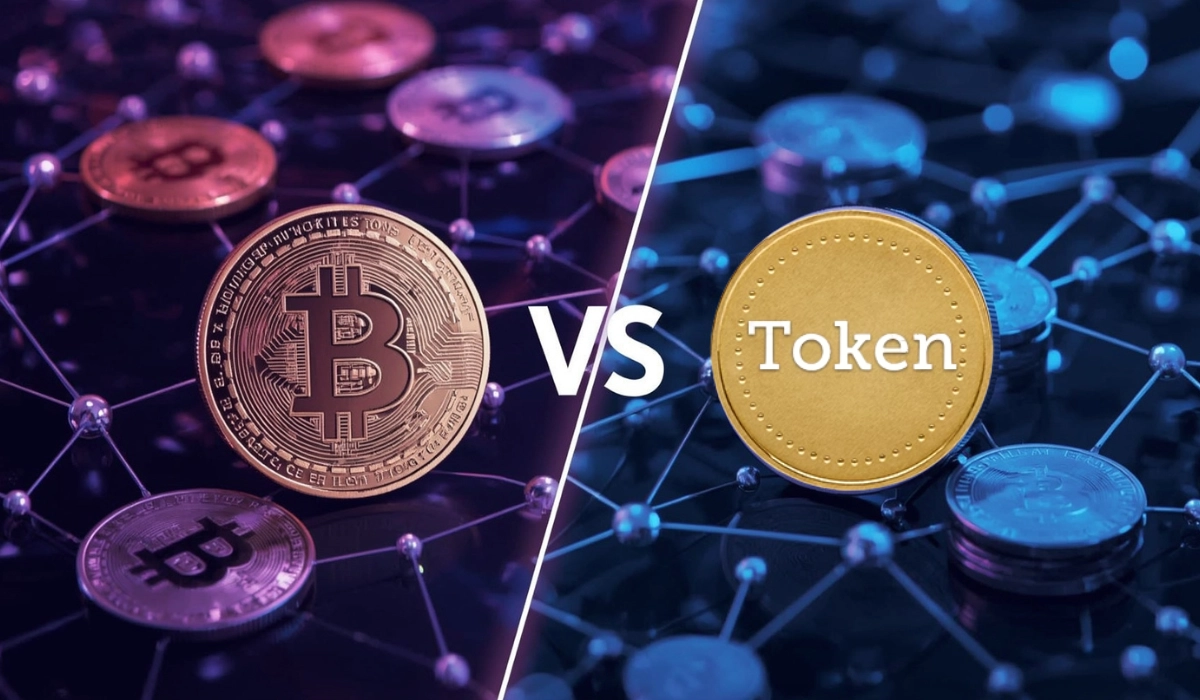
Crypto coins and tokens are digital assets primarily used for monetary transfer or as a store of value. In simpler terms, both of them are currencies that use blockchain technology at their base. Coins function on their own blockchain, and tokens are built on other blockchains. Though they may seem similar, they are both created differently. Understanding the key differences helps one acquire a better knowledge of the crypto ecosystem. This article discusses what a coin and a token are, how they are created, and the key differences between them.
What are Coins?
Coins are the digital assets that operate on their own blockchain. Coins are similar to traditional currencies and act as a digital form of fiat money. They are independent in nature as they do not depend on any other blockchains. They have their own protocols and network infrastructure. Since they are not reliant on any other blockchain, they function autonomously and also provide the flexibility to adapt required features. Bitcoin, Ethereum, Solana, Cardano, and Litecoin are a few examples of popular coins. The following are some of the key functions of coins.
- Serve as a medium of exchange for digital transactions.
- They are often treated as an investment asset due to their limited supply.
- They are often used as a store of value, like digital gold.
What are Tokens?
A crypto token is a digital asset that operates on an existing blockchain and relies on that blockchain’s infrastructure. Developers can issue tokens without building a separate network. They are created using blockchain platforms like Ethereum, Binance Smart Chain, or Polkadot. It is not a mere currency, but it can also represent assets, grant access to specific services. The process of developing tokens is simpler compared to developing a coin. USDT, Chainlink, and Shiba Inu are a few examples of tokens. The following are some of the uses of tokens.
- Tokens are more than just a medium of exchange. They perform beyond the medium of exchange.
- Tokens can grant access to various services within the project ecosystem.
- Some token enables holders to participate in decision-making processes.
How are Coins and Tokens Created?
The process of creating a coin is simple. Coins are made by creating a new blockchain, and the coin is produced and used inside the blockchain.
The tokens are created on the existing blockchain. Developers do not build a blockchain. They write a smart contract. This contract creates tokens using an existing blockchain like Ethereum or Solana. In short, coins come from their own blockchain, whereas tokens are created on top of another blockchain.
Key Differences Between Coins and Tokens
- Coins have their own independent blockchain, whereas tokens are built on an existing blockchain.
- Primarily, coins serve as a medium of exchange, a store of value, and to pay network transaction fees; on the other hand, tokens offer a broader range of functionalities.
- Coins require significant resources and expertise in developing a new complex blockchain from scratch, but in the case of tokens, it is easier to create a smart contract template on an existing platform.
- Coins are autonomous in nature, while tokens are dependent on the infrastructure, security, and consensus of their host blockchain.
Conclusion
Digital coins and tokens fall under the umbrella term cryptocurrencies. The technical differences between the two make them different from each other. It is important to understand these differences before investing. The creation of coins is more complex than the generation of tokens. This is because currencies are created on a blockchain, whereas tokens are created on top of an existing blockchain. Coins usually power the blockchain, while tokens are used for projects, apps, or specific purposes. Understanding tokens and coins helps in knowing the crypto ecosystem in a better way.
FAQ
No. Ethereum is a blockchain network, and its native coin is Ether (ETH). The second biggest cryptocurrency by market cap after Bitcoin.
Yes, some projects initiate as tokens and later launch their own blockchains, effectively becoming coins.
Coins are considered safer than tokens because they operate on their own independent blockchains, which have enhanced security mechanisms.
Neither a coin nor a token is universally better for investment. The ideal option totally depends on risk tolerance and investment goals.
Some projects are choosing tokens due to their significant advantage, such as lower cost, faster time-to-market, ease of development, etc.

Crypto & Blockchain Expert